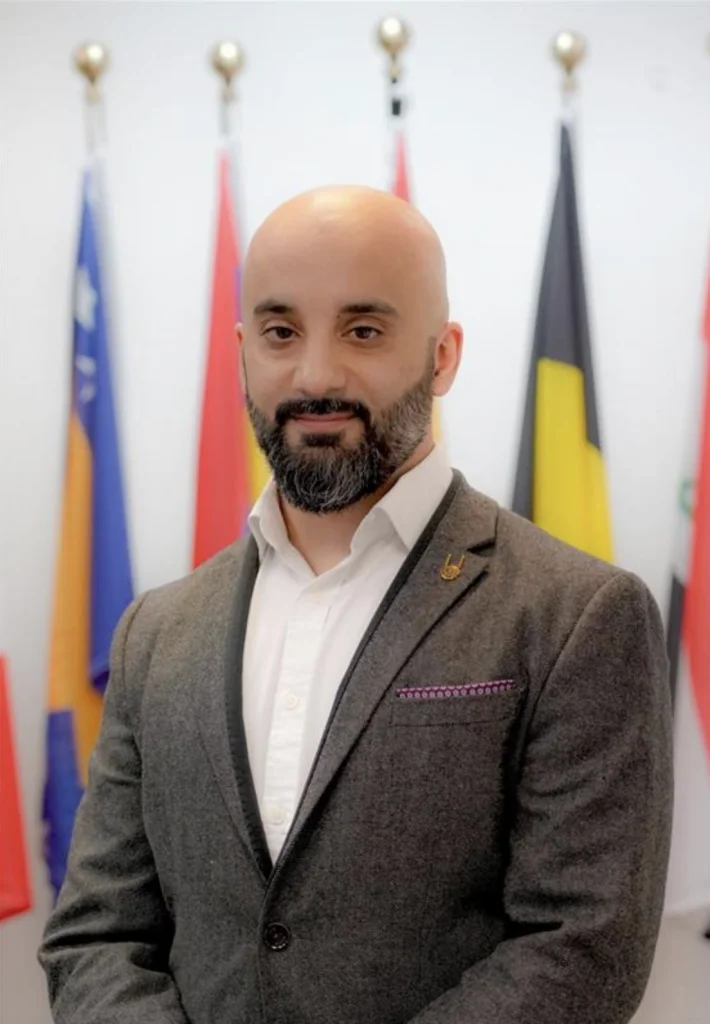

By Muhammad Haseeb Khalid
Heavy rains and floods have unleashed havoc over most of Sindh Province which was still recovering from last year's devastating deluge. Floodwaters over roads have created problems for relief workers' access to affected villages. Large tracts of agricultural land have been inundated, destroying rice, cotton, sugar cane, onion and potato crops in many districts causing a major loss in the livelihoods of hundreds of thousands of families.
Travelling from Karachi to Thatta, I did not see large numbers of people displaced from their native villages but stagnant water has covered all the area except the road. However, as we move towards Badin, Hyderabad, Mirpur Khas, Tandualllah Yar, the situation of flood-affected people is even worse than the displacement faced during last year’s flooding.
The recent downpour has affected the infrastructure; the drive from Thata to Mirpur Khas to assess the damage took me five hours. On my way to Mirpur Khas, I saw that the flood-affected communities. In this huge area of Sindh, desperately need access to clean water and healthcare. Malnutrition, especially among children, has worsened from what I witnessed last year. The lack of drinking water has meant that people in the flood-affected areas ,especially children, are forced to drink stagnant water from ditches and as a result severe diarrhea has now exacerbated their malnutrition.
Talking to the affected people in Landi, UC Kot Ghulam Muhammad and District Mirpur Khas, every person sitting on the side of the badly damaged road has a painful story to tell. However, most heart rendering to me was the story of a yet unnamed three-day old baby girl whose mother died on the road giving birth. Her father Nag Ge, a Hindu day laborer and father of six, came up and said in Sindhi “Muji Gal Budh” (listen to me).
Diverting my attention from filming the inundated local Basic Health Unit which had been badly damaged by the floodwater, with my video camera still in my hands, I went to visit his family with a few other flood-affected people following me. The paternal grandmother of the three-day old baby girl told me how they had tried to find a safe place for her pregnant daughter-in-law who was due to give birth.
”My daughter-in-law was pregnant and we feared for her while fleeing from our area as to whether we could reach a safer place or not. We managed to flee the water and took refuge on the side of the road which was above the level of the floods but unfortunately, my daughter-in-law passed away giving birth to her baby girl. We are sitting under open sky. Nobody – not the government nor anyone else has approached us to offer help,” she said.
Nag Ge told me sadly, “As water has covered the whole area, I am unable to perform the funereal rituals for my wife.”
The toll of this flooding on human suffering is immense, its effects are very visible, and most of these poverty-stricken people may not be able to recover from this disaster for many years.
Who should be held accountable for their suffering? Unfortunately, those in authority in this country do not seem to care. They were not prepared for this year’s floods although there was adequate prior warning. Last year’s floods were exacerbated by poor maintenance of flood mitigation infrastructure and the damage of these floods and last year ‘s floods have only partially been repaired. The Government took more than a month to allow international agencies to help those suffering from the floods. The malnutrition in Sindh has been met with indifference from the authorities.