Niger

Sudan

Somalia

Donate

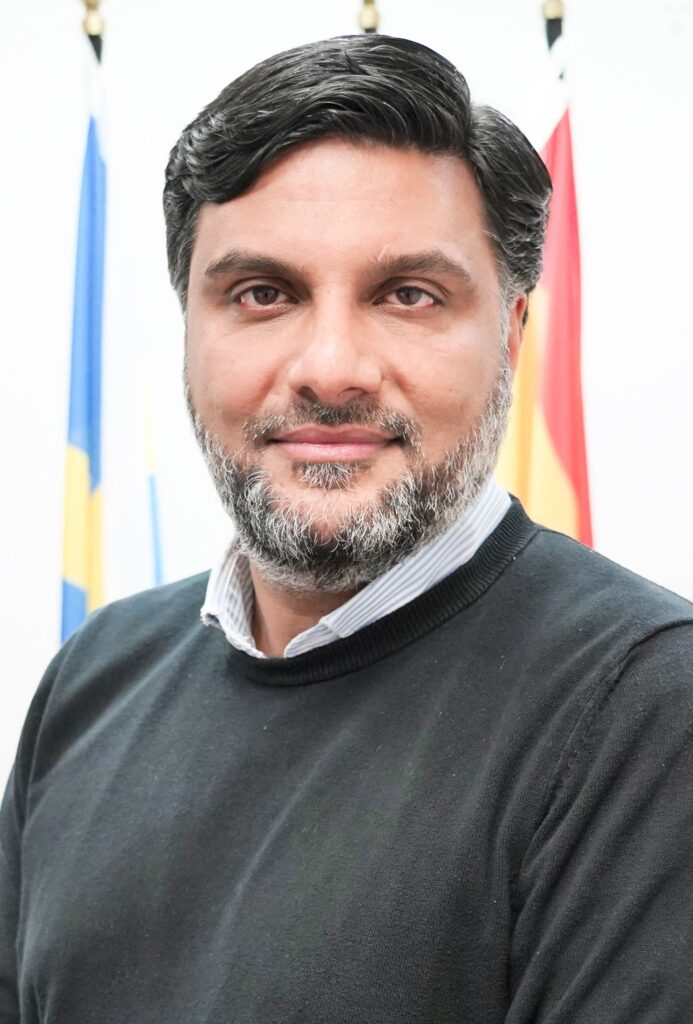
Habib Malik, IR UK Community Fundraising Manager has just returned from the cyclone-battered southern coast of Bangladesh.  He shares his experiences and asks for your support.


Habib meets Ahmed, 8, who lost his father and his home in
the cyclone
.

“Working for Islamic Relief Scotland has exposed me to disasters around the world, but the sight of human suffering never fails to shock and sadden me.

I have just returned from Bangladesh where the entire coastal area, home to an estimated 10 million people, was battered by Cyclone Sidr less than two weeks ago, then pounded by nearly a week of torrential rains. 

To give some perspective of the impact of this particular cyclone, it was rated category 4, Hurricane Katrina was a Category 3, so the devastation it has caused in such a poor part of the globe is extensive and will take a long time to address.

Travelling through the coastal districts of Bagherhat, Morolganj and Patuakhali I saw the same scenes repeated, entire villages destroyed, homes, businesses, and livelihoods swept away by the winds and suffering on a grand scale.

Recovering dead bodies

One of the first operations I was involved in was recovering dead bodies from the paddy fields; you can only imagine the stench. I helped one man – Fasil Huk – to find and bury the body of his 36-year old wife, Renu.  He had already found and buried his eight-year old son and his three-year-old boy was still missing. 

Fasil’s story is similar to so many people in the area where more than 90% of crops have been destroyed, and the dead bodies are strewn in the fields alongside cattle and animal corpses.

In fact one of the growing medical problems is that many children, who are washing or wading through water contaminated by rotting bodies, are starting to develop skin conditions.

Medical services

I worked with Islamic Relief’s established mobile medical team in Bangladesh who travelled from the north when the disaster hit, their service is desperately needed but not big enough to make a dent in the work which needs to be done.

Many people were injured in the cyclone by falling trees and debris, including children, and their injuries have not been treated.  I saw children with gashes that needed stitches but have been left to fester and get infected.

Such problems are just the tip of the iceberg for the people across the coastal region of Bangladesh, where the cold winter nights are adding to the distress. They crouch in the metre-high plastic sheeting which serves as temporary shelter as they wait for trucks to arrive with some kind of aid.

Not one of the people I saw, not one man, woman or child, had any shoes or boots, at most they had thin slippers but were invariably barefoot.  Many only had the clothes they were wearing when the cyclone hit.

Remnants of houses

In village after village barely any accommodation was left standing, often just the remnants of houses that were either destroyed by the cyclone or by falling trees. Houses were built up to avoid damage after the summer floods that hit the region, but they were not strong enough to withstand such a powerful cyclone.


In many areas people were just sitting around, they have absolutely nothing. Their fishing boats, cattle, rickshaws, everything they used to make their living has been destroyed. 

The people are in trauma, the whole time I was there I never saw a child smile, just silent faces everywhere.

I know the Cyclone is just another disaster to many people and it hasn’t made the headlines in the way that others have done but that doesn’t make the tragedy or the suffering any less for the people of Bangladesh.

Bangladesh is a country roughly the size of Scotland with similar industries – agriculture and fishing – with so much in common we must help. 

It costs about £200 to provide good shelter for a family. People also urgently need short-term emergency aid such as food, water and medicine before we even begin to talk about long term help.”

Please donate generously to help IR reach more people affected by the cyclone.

You can help by making an Online Donation or telephoning:


You can help by making an

Online Donation


OR

telephoning:

0800 520 0000


>


Registered Charity No.328158